
Environmental measurements
Industrial and installation noise measurements
Industrial and utility-system noise is one of the most common causes of acoustic conflicts between a technical facility and its surroundings.
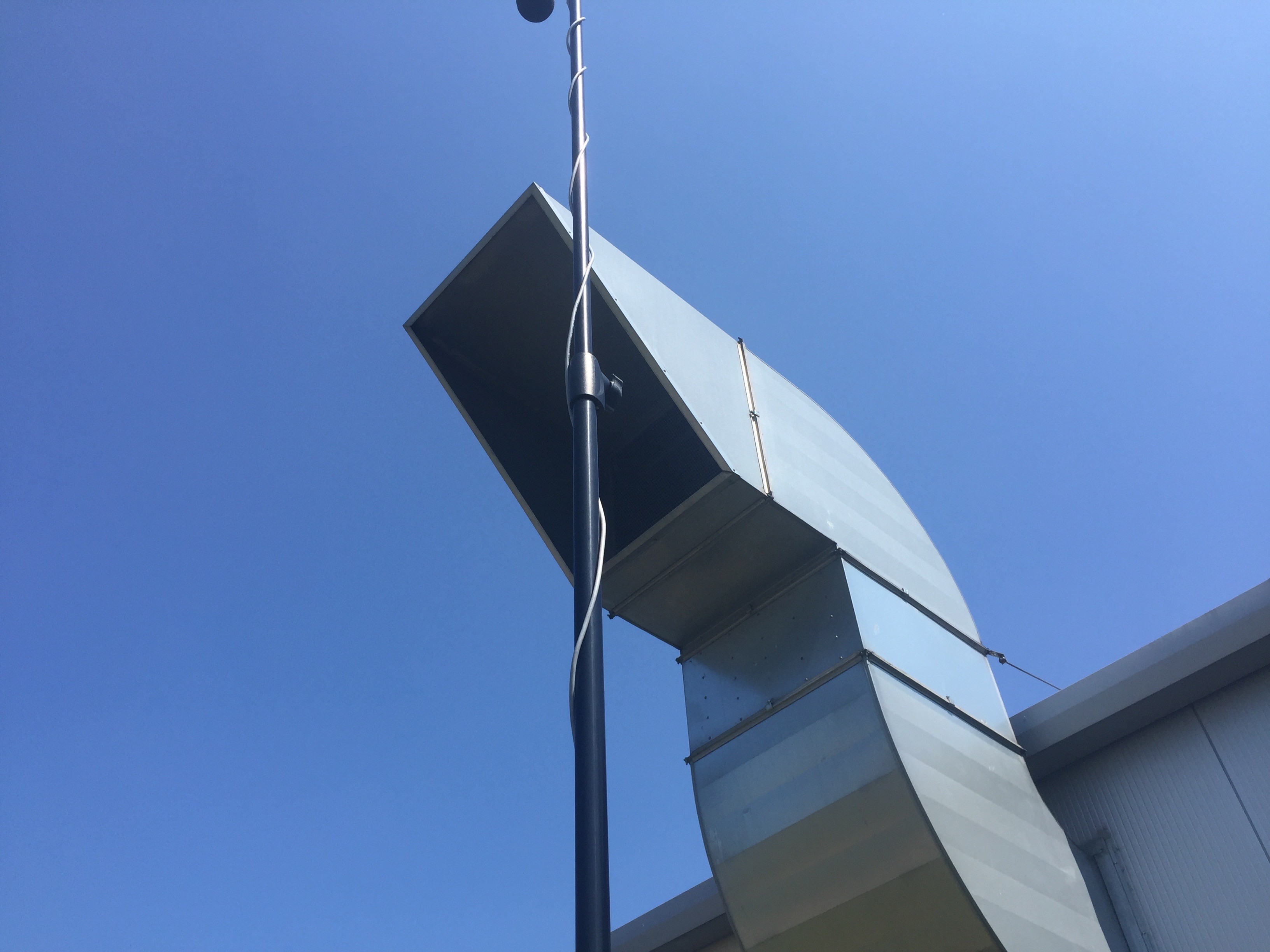
Factories, production plants, logistics centers, ventilation systems, refrigeration units, rooftop air handling units, HVAC equipment, pumps, or process lines can significantly affect neighboring areas, including residential buildings and other zones under acoustic protection.
In practice, the issue is not only whether a given device is loud, but whether its environmental emissions remain compliant with the requirements for a specific area and time of day.
The legal basis for such an assessment is the Environmental Protection Law, and permissible environmental noise levels are defined by the relevant implementing regulation.
Industrial and installation noise measurements make it possible to precisely determine the impact of plants, installations, and technical equipment on the external environment. This is a study that converts a general sense of nuisance into objective engineering and formal data. It makes it possible to verify whether noise emissions from a facility meet environmental requirements, whether mitigation measures are necessary, and which technical solutions will actually be effective. The regulation on requirements for conducting emission measurements includes separate reference methodologies for periodic measurements of environmental noise originating from installations or devices, including impulsive noise.
What are industrial and installation noise measurements?
These are specialized environmental studies used to determine the level of noise emitted by industrial plants, technical facilities, and installation equipment operating outdoors or affecting the external environment.
They cover both larger industrial sources, such as production halls, technological processes, or loading yards, and individual installation sources, for example ventilation units, refrigeration units, condensers, exhaust outlets, heat pumps, rooftop fans, or building technical equipment. In the Polish legal system, they are treated as noise originating from installations or devices and are assessed in relation to acoustically protected areas.
In practice, we analyze not only the sound level itself, but also the operating characteristics of the source, the time of its impact, the way noise propagates, and the relationship between the emitter and the function of the neighboring area. This is particularly important because the same device may be acoustically acceptable in one location and problematic in another—depending on distance, shielding, building geometry, the presence of distinct tones, impulsiveness, or nighttime operation. That is why environmental measurements of industrial and installation noise must be carried out with consideration of actual local conditions and the appropriate reference methodology.
What exactly do we examine?
We analyze noise in every context where industrial and installation sources interact with the external environment. This includes the impact of factories, processing plants, process lines, building technical equipment, ventilation and refrigeration systems, units, pumps, and other emitters on neighboring buildings and protected areas. Depending on the purpose of the study, we verify noise levels for daytime and nighttime, assess compliance with requirements for a given type of area, and determine whether acoustic protections, enclosures, silencers, barriers, or organizational changes are needed. Permissible levels depend on the type of source and land use function, and the relevant values are specified by the regulation on permissible environmental noise levels.
In practice, such measurements are needed both for large industrial investments and for individual technical installations that generate nuisance for the surroundings.
This applies, for example, to rooftop ventilation units, units at the service area of a commercial facility, refrigeration equipment at a service building, or a process line located near residential development. Regardless of the source scale, the key issue is whether the actual acoustic impact remains within permissible limits.
Why is this so important?
Industrial and installation noise measurements are most often carried out at two key moments.
Planning and acceptance stage
When it is necessary to demonstrate that a planned investment, installation, or existing facility meets environmental requirements and does not cause exceedances in acoustically protected areas. This type of study is important for environmental documentation, post-implementation analyses, administrative proceedings, and in situations where confirmation of a facility’s compliance with applicable limits is required. The noise protection system in Poland is based precisely on assessing a source’s impact against the function of the protected area.
Problem solving
When residents’ complaints arise, environmental authority interventions occur, or an investor has doubts about the impact of devices and installations on the surroundings. In such cases, measurement allows for an objective assessment of the situation and indicates whether specific corrective measures are needed, such as silencers, acoustic enclosures, barriers, changing the operating schedule of devices, or adjusting installation parameters. This approach helps avoid costly ineffective actions and focus on solutions truly adequate to the nature of the emissions.
Methodology and reporting
In environmental matters, there is no room for randomness. We conduct measurements in accordance with applicable legal and methodological requirements for environmental noise originating from installations or devices. The Regulation of the Minister of Climate and Environment on requirements for conducting emission measurements contains reference methodologies for performing periodic measurements of environmental noise originating from installations or devices, separately for non-impulsive and impulsive noise. These methodologies constitute the formal basis for conducting this type of environmental measurement in Poland.
We take into account the specifics of the location, the type of source, the operating characteristics of the device, the time of impact, and the function of neighboring areas. As a result, the report is not merely a set of measurement results, but a tool for making design, formal, and technical decisions.
In the final study, we present the results, their interpretation, compliance assessment, and—when needed—recommendations for further noise reduction measures. These may include both technical means, such as silencers, enclosures, or barriers, as well as organizational or operational changes.
Start with a reliable assessment
Do not guess how strongly a plant, installation, or technical device affects the surroundings. Carry out industrial and installation noise measurements and base decisions on objective data. You will receive a clear diagnosis, a report, and concrete foundations for further design, formal, and protective actions.
Industrial and installation noise measurements
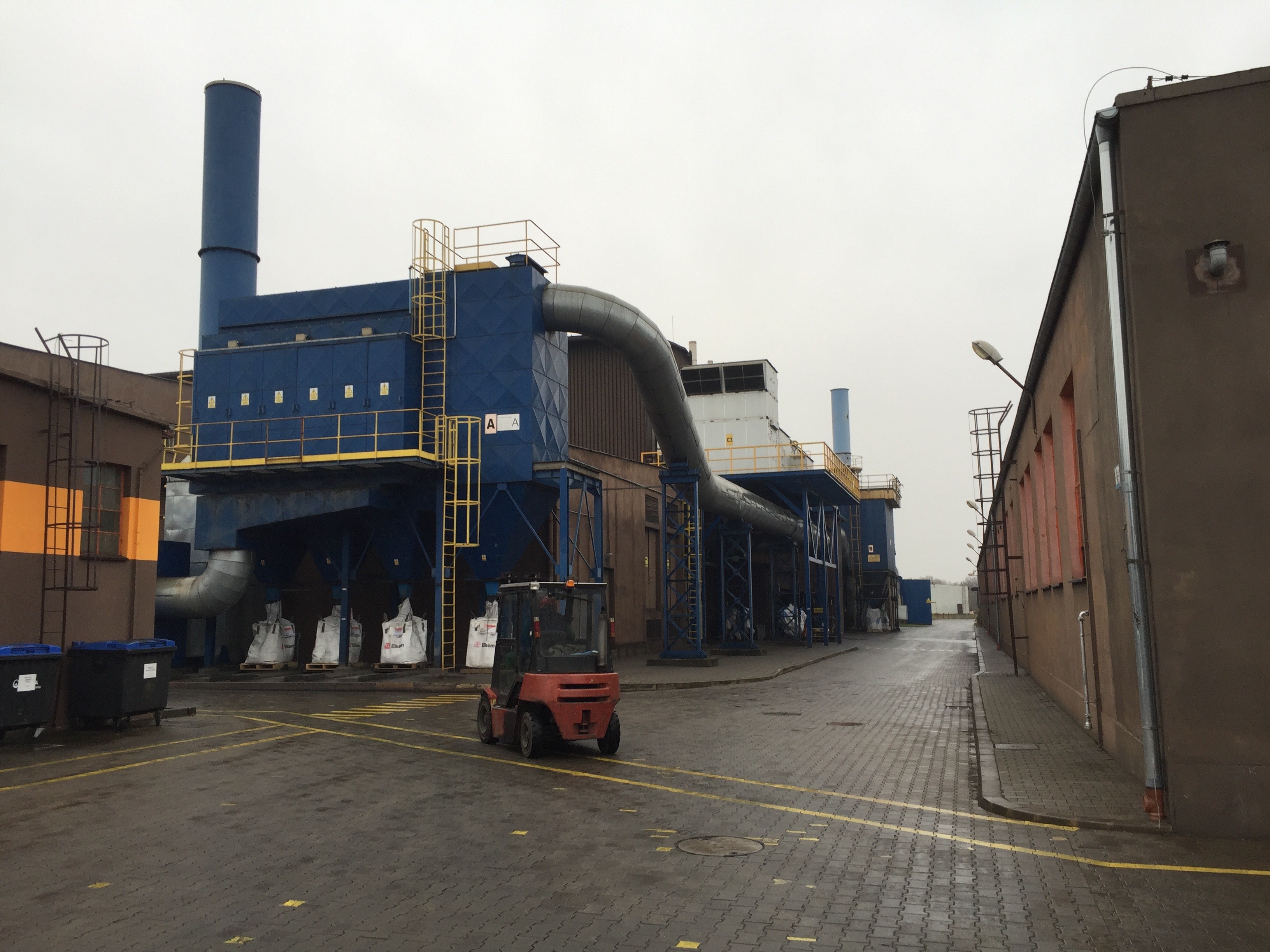
Schedule industrial and equipment noise measurements and check whether your facility meets environmental requirements and how to effectively reduce its noise emissions.


Office / Showroom
Production / Warehouse
Let's do something together
Use the form - we will respond as soon as possible!