
Environmental measurements
Assessment of the acoustic climate
Not every area can be assessed acoustically in the same way. In environmental protection, it is crucial what function a given area serves and what level of acoustic protection it is entitled to under the regulations.
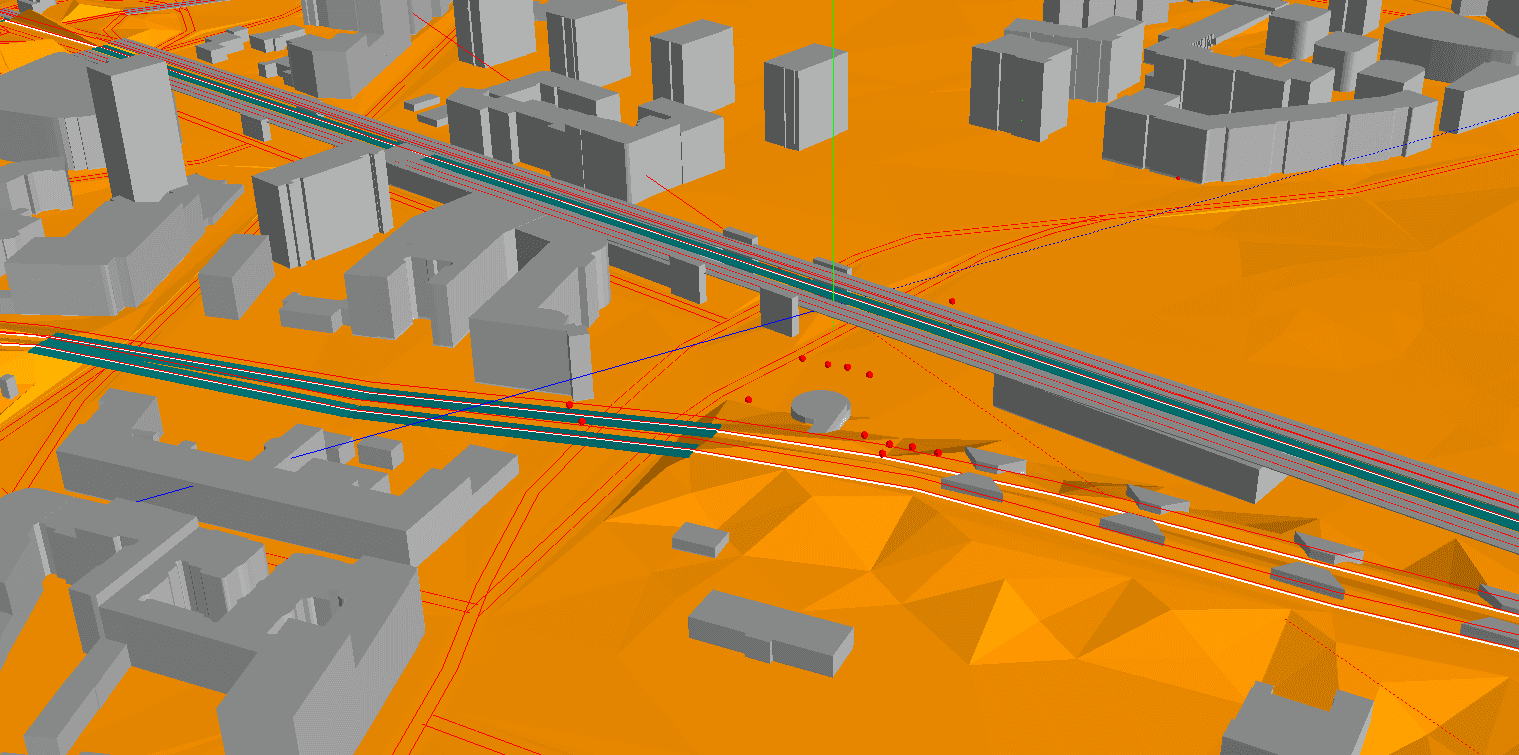
Residential development areas are assessed differently than hospitals, schools, parks, or recreational areas. This is precisely why assessing the acoustic climate is not based solely on measuring noise levels, but on verifying whether actual sound conditions are appropriate for a given type of area and compliant with applicable requirements. This principle follows directly from the Environmental Protection Law, which links permissible noise levels to the type of area subject to acoustic protection.
Assessment of the acoustic climate of acoustically protected areas makes it possible to precisely determine whether a given area is exposed to excessive noise impact and whether its current acoustic condition meets environmental requirements.
This is a study that turns the general impression that “the area is too loud” into objective engineering and formal data. It makes it possible to assess a plot’s suitability for a specific function, verify the operating conditions of an existing facility, prepare documentation for an investment project, or indicate the need to apply acoustic protection measures. Permissible noise levels for such areas are defined by the applicable regulation on permissible environmental noise levels, the consolidated text of which was published in 2024.
What is an acoustic climate assessment of an area?
It is a specialized environmental analysis aimed at determining the actual acoustic condition of a given area in relation to its function and level of legal protection.
It includes both noise measurements and their interpretation in the context of the type of area, sources of impact, and applicable assessment indicators. In practice, it may concern single- and multi-family residential areas, areas related to the permanent or temporary stay of children and adolescents, hospitals, nursing homes, health resorts, parks, recreational and leisure areas, and other areas covered by acoustic protection. The categories of such areas result from statutory and implementing regulations.
In practice, we analyze not only the sound level itself, but also its relationship to the actual function of the area, daytime and nighttime periods, and the nature of noise sources. This is particularly important because the same impact level may be acceptable for one type of area and unacceptable for another. An acoustic climate assessment therefore answers not only the question of how much noise there is, but above all, whether such a condition is permissible from the perspective of the area’s intended use.
What exactly do we examine?
We analyze every case in which the acoustic conditions of an area subject to protection need to be assessed. This includes the impact of roads, railway lines, tram lines, industrial plants, technical installations, building equipment, and other noise sources on investment plots, existing development, and areas particularly sensitive acoustically. Depending on the purpose of the study, we assess noise levels during the day and night, verify compliance with requirements for a given type of area, and indicate whether protective measures or a change in design assumptions are needed. In practice, indicators such as LDWN and LN are used for long-term acoustic climate assessment, as well as appropriate equivalent indicators depending on the type of case.
Such an analysis is particularly important when planning new development and when assessing environmental quality around buildings already in use.
In environmental documents and administrative decisions, permissible noise levels are still explicitly related to acoustically protected areas, which confirms that this assessment approach remains current also in 2026.
Why is this so important?
Assessment of the acoustic climate of acoustically protected areas is most often needed at two key moments.
Planning and approval stage
When it is necessary to check whether a plot or area intended for a specific function meets acoustic requirements and whether acoustically safe development or use is possible. Such an analysis is important for residential, educational, medical, hotel, and recreational investments, as well as wherever it is necessary to demonstrate compliance with environmental requirements. The Environmental Protection Law also requires acoustically protected areas to be taken into account when preparing local spatial development plans.
Assessment of an existing problem or environmental risk
When doubts arise as to whether a given area is properly protected against noise, or when objective verification of the acoustic condition around an existing building is needed. Then the assessment makes it possible to indicate whether the actual acoustic climate meets requirements, whether there is a risk of exceedances, and whether protective, planning, or technical actions are needed. Noise environmental protection programs still operate with the concept of noise-threatened areas precisely in relation to exceedances in protected areas.
Methodology and reporting
In environmental matters, there is no room for randomness. We conduct acoustic climate assessments in accordance with applicable legal and methodological requirements, taking into account the type of area, development function, nature of noise sources, and purpose of the study. The reference basis is the provisions of the Environmental Protection Law and the regulation specifying permissible environmental noise levels for particular types of areas.
The final product of our work is a comprehensive report. It is not only a set of results, but a document containing formal and technical interpretation, compliance assessment, and engineering conclusions regarding further actions.
If acoustic conditions are appropriate, the report confirms the area’s acoustic safety. If not, we indicate which protective, design, or planning solutions will be the most rational. In practice, such documentation constitutes a real basis for further investment, environmental, and administrative decisions.
Start with a reliable assessment
Do not guess whether an area is properly protected against noise. Carry out an acoustic climate assessment and base decisions on objective data. You will receive a clear diagnosis, a report, and concrete grounds for further design, environmental, and formal actions.
Assessment of the acoustic climate
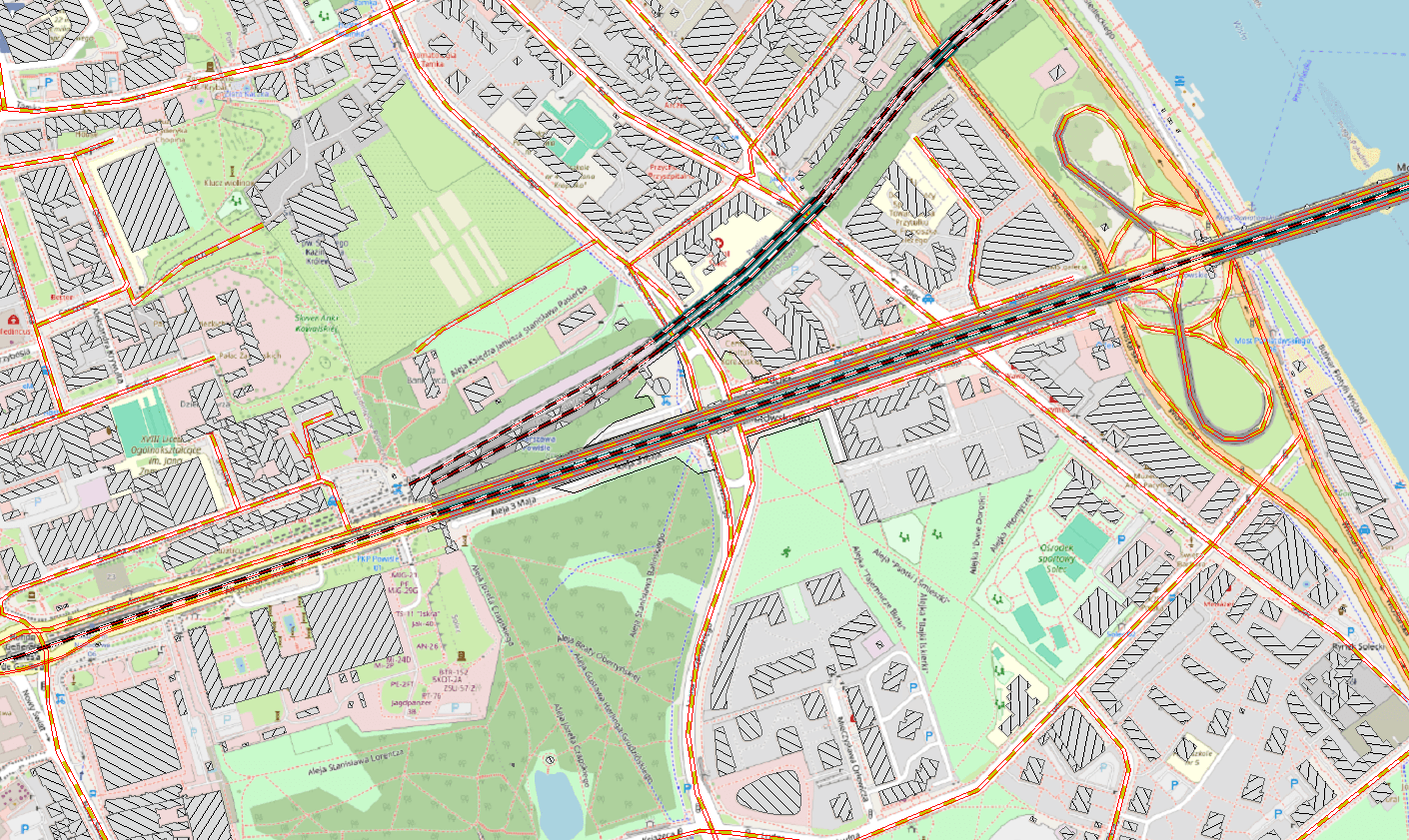
Book an assessment of the area's acoustic climate and check whether its sound conditions meet the required function and level of protection.


Office / Showroom
Production / Warehouse
Let's do something together
Use the form - we will respond as soon as possible!