
Environmental measurements
The impact of noise on buildings and the surrounding environment
Noise does not affect only a measurement point or a single plot. In practice, it impacts the entire way a building functions and its relationship with its surroundings. It can limit development possibilities, worsen the conditions for using existing facilities, reduce the comfort of residents and users, and also create formal risks at the design, acceptance, or operational stage.
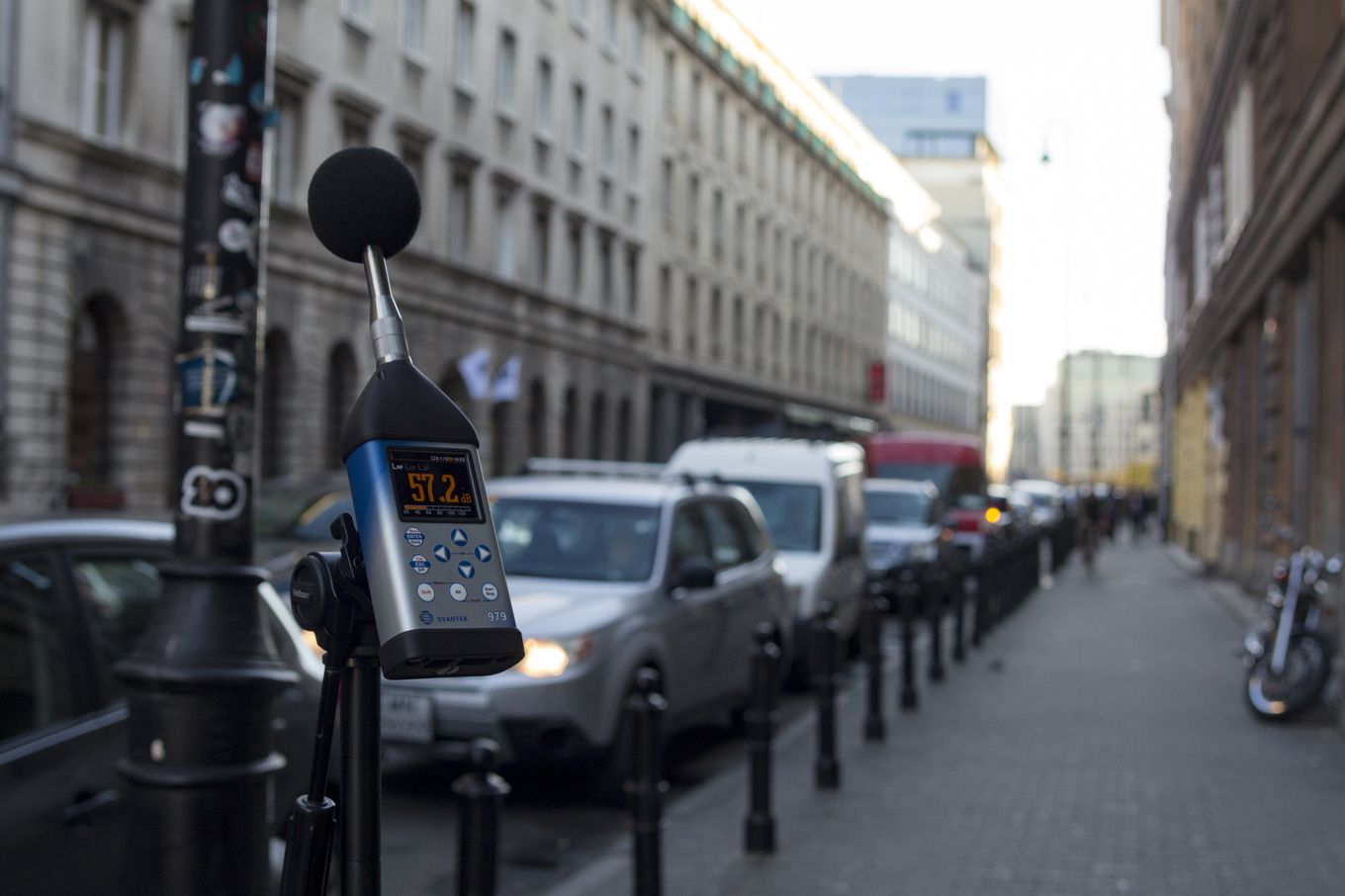
In the Polish legal system, protection against noise consists in ensuring the best possible acoustic condition of the environment, in particular by maintaining noise levels below permissible values or at least at those levels.
Measurements and analyses of the impact of noise on buildings and surroundings make it possible to precisely determine how sound sources affect a specific structure, its façades, usable zones, the area around the building, and neighboring areas covered by acoustic protection.
This is a service that turns the general feeling that “a building is exposed to noise” into objective engineering and formal data. Thanks to it, it is possible to assess the scale of impact, confirm compliance with requirements, and indicate which protective measures will actually be needed. Permissible environmental noise levels in Poland are defined for types of acoustically protected areas, rather than abstractly for every place in the same way.
What is an analysis of noise impact on buildings and surroundings?
These are specialized environmental and technical studies aimed at determining how traffic, industrial, or installation-related noise affects a building and its immediate surroundings.
This includes both existing structures and plots planned for development. In practice, we analyze not only the sound level itself, but also land use function, the location of usable zones, façade exposure, the time of impact, and whether noise may limit the comfort of using the building or the possibility of properly designing it. The framework for such an assessment results from regulations on environmental noise protection and from ordinances defining permissible noise levels for different types of areas.
In practice, such an analysis makes it possible to answer whether a building is properly protected against the impact of a road, railway tracks, a plant, a technical installation, or another noise source, whether its location is acoustically safe, and whether additional safeguards will be needed. This is particularly important in residential, hotel, medical, educational, and service buildings, that is, wherever acoustic conditions directly affect the quality of facility use.
What exactly do we examine?
We analyze noise in every context in which it comes into contact with the building and its surroundings. This includes the impact of roads, railway lines, tram lines, industrial plants, building technical equipment, ventilation systems, generator units, pumps, and other sources on façades, human occupancy zones, and neighboring areas covered by acoustic protection.
Depending on the purpose of the study, we check noise levels during daytime and nighttime, assess compliance with requirements for a given type of area, and verify whether protective solutions are needed, such as barriers, enclosures, silencers, proper development layout, or other measures limiting acoustic impact. Indicators and criteria for environmental noise assessment result from implementing regulations to the Environmental Protection Law.
In practice, therefore, we examine not only noise itself, but its real impact on the function of the facility and the area. This difference is what determines the value of the analysis. A building may be within the impact range of transport or technical installations without obvious signs of a problem at first glance, and yet still require acoustic protection, design corrections, or detailed formal verification.
Why is this so important?
Measurements and analyses of noise impact on buildings and surroundings are most often carried out at two key moments.
Planning and acceptance stage
When it is necessary to assess whether a plot, building, or investment meets environmental and acoustic requirements. Such an analysis is needed when planning new development, when changing the method of use, in environmental and design documentation, and wherever it is necessary to demonstrate that noise impact does not exceed permissible levels for protected land. The legal system of noise protection in Poland is based precisely on the relationship between the noise source and the type of land requiring protection.
Problem solving
When complaints appear from residents, users, or neighbors, or when an investor wants to objectively assess whether a noise source affects the building and its surroundings in a way that exceeds requirements or hinders normal use. Then measurement and analysis make it possible to indicate the scale of the problem and select remedial measures precisely to the actual impact mechanism, instead of acting blindly. The Environmental Protection Law provides for the use of technical solutions ensuring proper acoustic conditions, including in buildings.
Methodology and reporting
In environmental and investment matters, there is no room for randomness. We conduct measurements in accordance with applicable legal and methodological requirements, taking into account the type of noise source, building location, land function, and purpose of the study. For installation and industrial sources, Poland applies reference measurement methodologies specified in the ordinance on requirements for conducting measurements of emission quantities. For the assessment of protected areas and environmental impact, implementing regulations concerning permissible environmental noise levels are also of key importance.
The final product of our work is a comprehensive report. It is not only a set of results, but a document containing formal and technical interpretation, compliance assessment, and engineering recommendations for further actions.
If noise affects a building or its surroundings unfavorably, we indicate the most rational course of action — from acoustic protections, through design corrections, to organizational or operational changes.
Start with a reliable assessment
Do not guess how strongly noise affects your building and its surroundings. Carry out measurements and a noise impact analysis, and base decisions on objective data. You will receive a clear diagnosis, a report, and concrete grounds for further design, formal, and protective actions.
The impact of noise on buildings and the surrounding environment
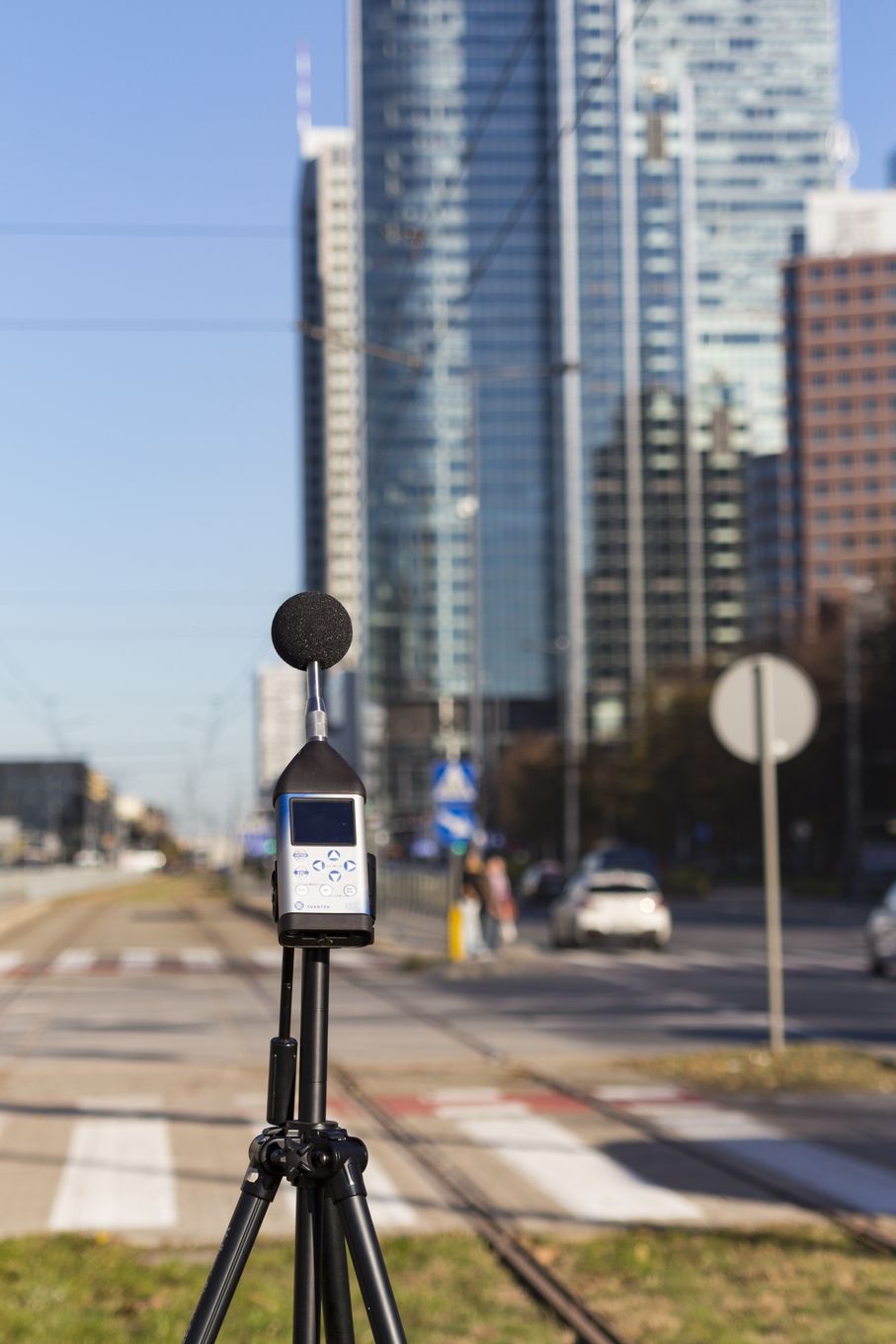
Schedule an analysis of the impact of noise on buildings and the surrounding area, and check whether your property is properly acoustically protected.


Office / Showroom
Production / Warehouse
Let's do something together
Use the form - we will respond as soon as possible!