
|
Karolina Kowalska
Form structure is fond of new buildings, ribbon-cutting ceremonies, solemn speeches, official photographs, and grand words. Yet Gombrowicz spent his entire life mocking form. He dissected it into its primary components, bringing its absurdity, artificiality, and pretentiousness to light. Therefore, if he had heard about the creation of the "new spaces of the Witold Gombrowicz Museum," he would probably have squinted his eyes first...
A museum that does not want to be a museum
And yet, on June 11, 2026, something more happened in Wsola. A place was created that has a chance to truly come alive, and that is a fundamental difference. As the master himself recalled on the ribbon cut during the inauguration:
“Your constructions, your buildings, will remain empty until someone moves into them.”
It is difficult to find a more eloquent summary of what architecture actually is.

The beginning of everything
A building in itself is nothing; only people give it meaning, and conversations transform a space into a meeting place. The new section of the Museum in Wsola is filled with stories, books, typescripts, and photographs. At every turn, one can encounter the traces of a man who spent his life escaping categorization, and since the word is paramount here, it should also be perfectly audible. This is where Nyquista enters the stage.
How to quieten Gombrowicz?
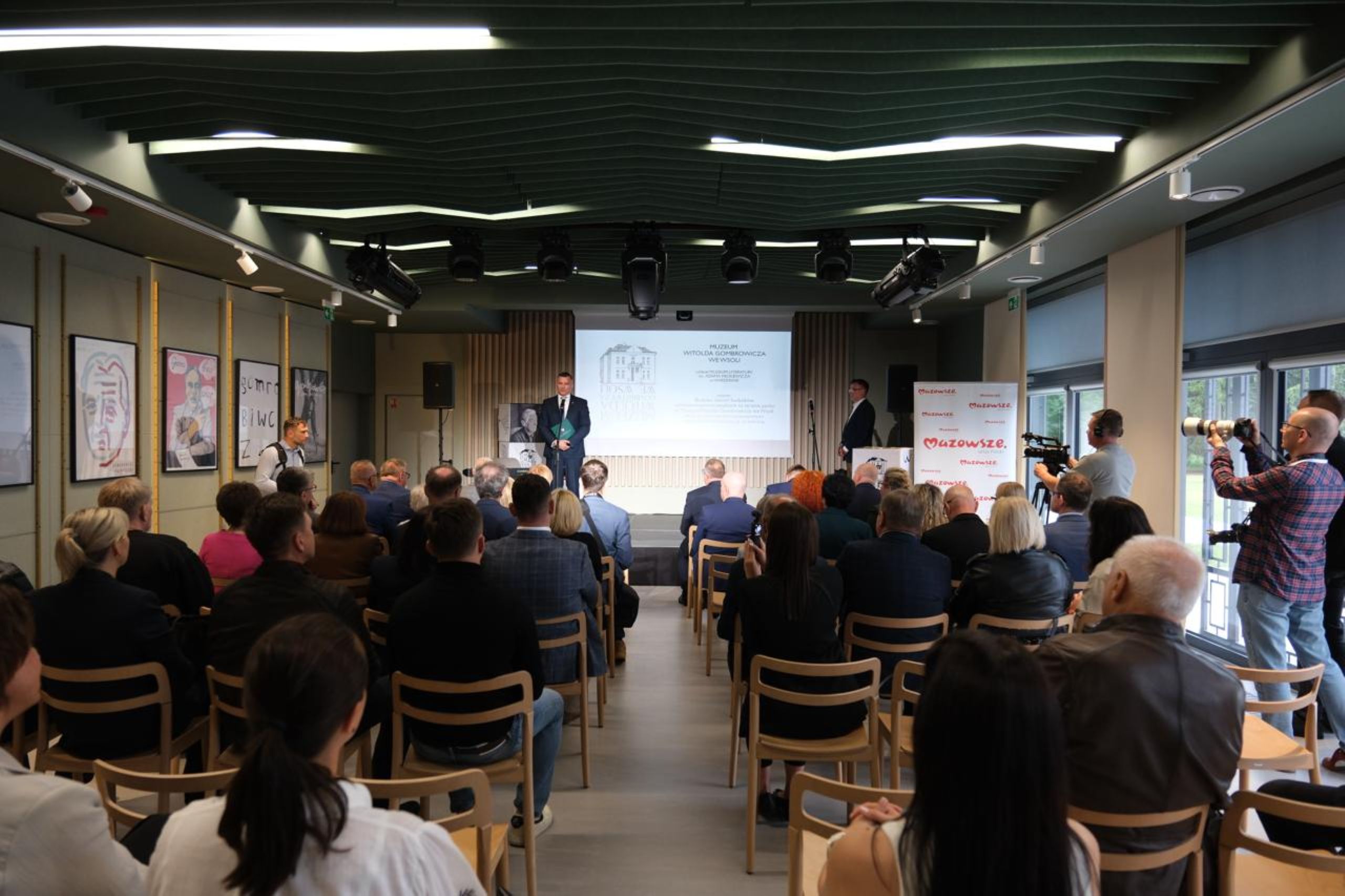
Absurd? Indeed, highly Gombrowiczian. The concept was developed to narrate the writer's work, the author of "Ferdydurke," through exhibitions, events, meetings, screenings, and educational activities. The task of Nyquista was to establish perfect conditions for the spoken word, ensuring that lectures are fully audible regardless of the seat, and the audience truly hears the speaker.
To achieve this, we utilized EcoWall Basic, EcoWall Tiles, and EcoBaffle systems, alongside ceiling tubes functioning as acoustic islands, manufactured using EcoWall Shape technology.
The paradox of our times
Never before have we spoken so much, while listening so poorly. Literature requires attention, reflection, and silence. The word demands space, particularly acoustic space. Cultural venues require exceptional sensitivity regarding acoustic conditions and comfort.
The Author. The Story. The Human.
The ceremony was attended by Tomasz Tyczyński, Director of the Witold Gombrowicz Museum in Wsola, Beata Michalec, Director of the Adam Mickiewicz Museum of Literature in Warsaw, and Rafał Rajkowski, Vice Marshal of the Mazowieckie Voivodeship, among others. The event concluded with an exceptional improvised performance by the IMPRO IMPRO group.
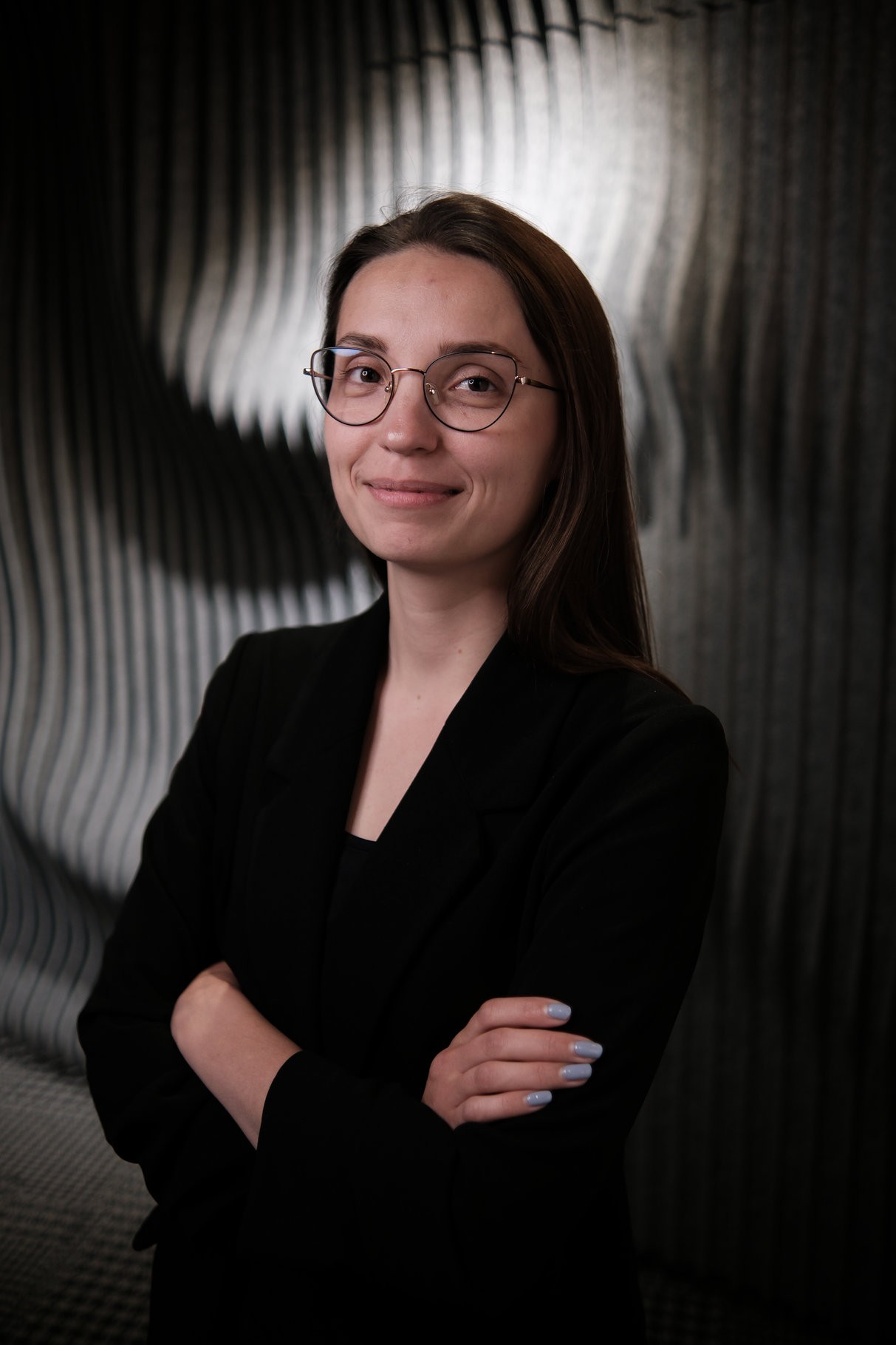
Nyquista was represented at the event by Karolina Kowalska and Krzysztof Latek. We would like to express our sincere gratitude for the invitation; it was an immense honor for our entire team to be part of this project.
Once the official program concluded and the speeches faded…
The invited guests began to explore, laugh, discuss, and enjoy the venue. And the moment someone occupied these spaces, even for just a few hours, the Witold Gombrowicz Museum was truly opened.
From the perspective of architecture, culture, and acoustics, it is difficult to imagine a greater compliment.
See also


Office / Showroom
Production / Warehouse
Let's do something together
Use the form - we will respond as soon as possible!