
|
Nyquista Team
If external noise is constantly audible in your living room or bedroom, it does not have to mean that "that's just the way it is." In many cases, the problem can be significantly reduced. However, one key fact must be understood: effective soundproofing of an apartment does not consist of randomly adding soft materials, but of identifying how sound actually penetrates the interior.
Where does street noise in an apartment come from?
Most often, the culprit is not the external wall itself, but the weakest element of the entire partition. In practice, this means that acoustic comfort is frequently determined not by thick walls, but by:
windows with insufficient sound insulation (especially the glazing, which is the strongest insulating element, whereas the window loses the most performance through the frame and seals),
installation leaks around the joinery,
air inlets,
roller shutters and their shutter boxes,
balcony doors,
connections between facade elements and joinery.
Street noise is not stopped by interior aesthetics. It can penetrate through very small leaks and then be amplified by the room's acoustics. This is why two apartments in the same building can offer completely different acoustic experiences.
Why is street noise so disruptive?
Road noise is particularly troublesome because it is usually:
long-term and repetitive,
present from morning until late evening,
variable over time, making it harder to get used to,
composed of various frequency bands — from low rumbles to sharp sounds of tires, engines, and braking.
In practice, this translates to problems with concentration, sleep, relaxation, and privacy. Even if the noise does not seem very loud, its constant presence can cause fatigue and irritability.
Can an apartment be effectively soundproofed?
Yes, but the effectiveness depends on the root cause of the problem. Sometimes improving a single element is sufficient, while in other cases, a comprehensive approach is required. The most important thing is not to act "by instinct."
In acoustics, a simple rule applies: first the diagnosis, then the solution.
Without this, it is easy to incur costs that will not yield real improvement. For example:
thick curtains may slightly reduce reverberation in a room, but they are no substitute for acoustically effective windows. Conversely, replacing only the glass units without analyzing the entire window and its installation does not always solve the problem either.
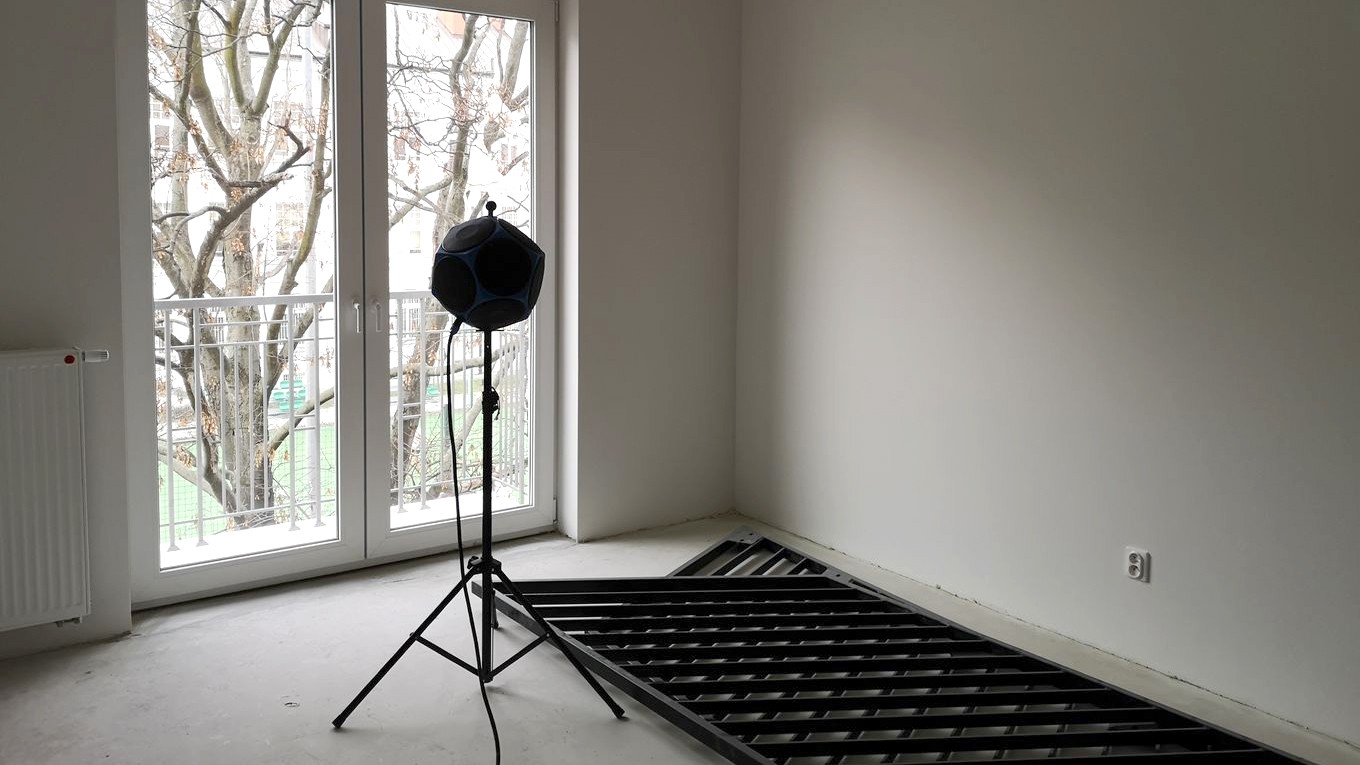
Where to start soundproofing an apartment?
1. Checking windows and balcony doors
This is the most common path for street noise penetration – check how crucial the acoustic tightness of doors and window joinery is in blocking external noise. Not only the glazing unit itself matters, but the entire product: the profile, seals, locking system, and installation method.
It is worth paying attention to:
the tightness of the sashes,
the condition of the seals,
the quality of the compression fit,
potential gaps around the reveals,
the presence of air inlets,
the acoustic parameters of the entire window, not just the glass.
In many apartments, large glazed areas and balcony doors are also a problem; while they look modern, they can be acoustically weaker points of the partition. It is also worth keeping in mind humidity-controlled air inlets, which are often used in modern windows — although they provide proper ventilation, they can degrade acoustic insulation.
2. Assessment of air inlets and ventilation
An air inlet may be necessary from a ventilation perspective, but at the same time, it can compromise noise protection. In such cases, it cannot simply be "blocked," as this disrupts the ventilation system and can lead to moisture issues.
The solution lies in analyzing whether the installed components are correctly selected and whether it is possible to improve their acoustic parameters without compromising air exchange.
3. Verification of joinery installation
Even a high-quality window will not perform its function if it has been poorly installed. Perimeter leaks, errors in frame positioning, or incorrect sealing of the connection with the wall can significantly degrade the final result.
This is frequently where the source of disappointment lies after an expensive window replacement.
4. Analysis of walls and associated elements
Although windows are usually the main path for sound penetration, sometimes the problem also lies in:
lightweight partition elements,
roller shutter boxes,
windowsills,
installation casings,
connections between the wall and the facade or ceiling.
In some cases, an assessment is also needed to determine whether there are phenomena within the interior that amplify the subjective perception of noise.
What really works and what only appears to?
Effective solutions:
replacing windows with products featuring properly selected acoustic parameters,
improving or replacing leaking seals,
correcting installation errors,
sealing critical junctions,
upgrading roller shutter boxes or air inlets,
implementing additional solutions to increase the insulation of specific partitions.
Solutions with limited efficacy:
curtains and drapes alone,
random foams and "soundproofing mats" purchased without prior analysis,
decorative panels installed only on the inside when the problem is leaky joinery,
replacing the glass unit without verifying the entire system.
Important: interior acoustic treatment and sound insulation against external noise are not the same thing. Soft materials inside improve the room's sound quality but do not necessarily significantly reduce the noise coming from the street.
When is it worth carrying out a professional acoustic diagnosis?
If:
noise interferes with sleep or work,
the apartment is located near a busy street, railway tracks, or an intersection (in such situations, accredited traffic noise measurements are crucial),
there is no expected improvement after window replacement,
you are planning a renovation and want to avoid costly mistakes,
the developer declared a certain standard, but the acoustic comfort is unsatisfactory, it is advisable to commission an acoustic assessment of the apartment.
A professional diagnosis allows you to determine:
which noise sources are dominant,
how sound penetrates into the interior,
which elements represent the weakest link,
which solutions make technical and economic sense.
Consequently, instead of acting by trial and error, you receive specific recommendations.
Is it always necessary to replace windows?
No. Sometimes the issue stems from hardware adjustment, worn seals, installation leaks, or a specific construction detail. However, there are also cases where the desired improvement cannot be achieved without replacing the joinery. Additionally, it is worth paying attention to humidity-controlled air inlets, which, while improving ventilation, can have a negative impact on acoustic insulation. In such cases, replacing or retrofitting them should be considered.
Therefore, matching the solution to the actual cause is critical. In acoustics, there is no single universal "formula" suitable for every apartment.
How to restore peace and comfort to your apartment?
Effective soundproofing of an apartment against street noise requires a holistic view of the problem. It is not about "adding something," but about eliminating or reducing the actual pathways of sound transmission. A well-conducted analysis helps avoid misplaced expenses and allows you to focus on measures that genuinely improve quality of life.
Silence should not be a luxury, but a daily standard. If street noise becomes disruptive, it is worth treating it as a specific technical problem — because that is precisely when it can be effectively resolved.
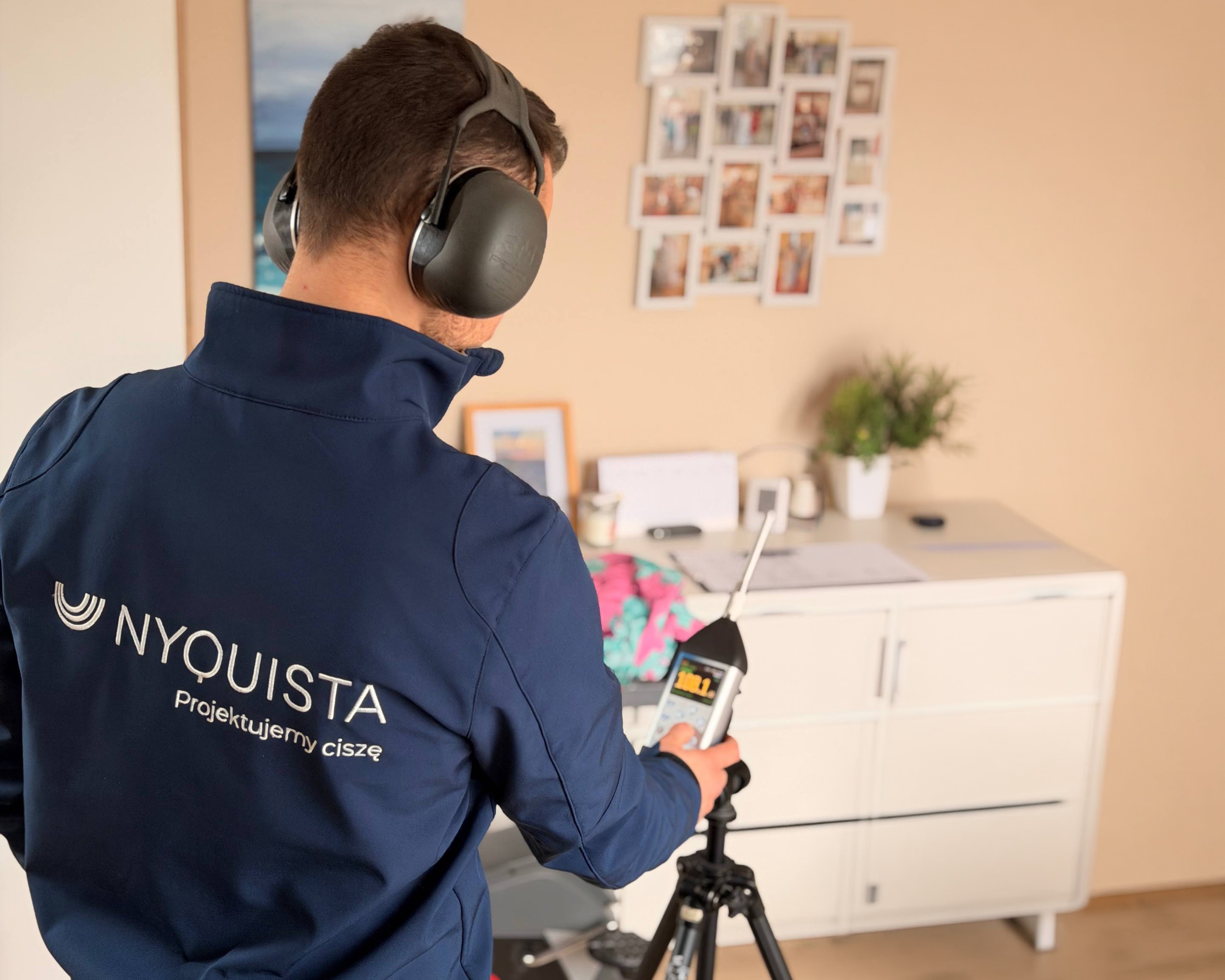
Do you need an assessment on how to soundproof your apartment from the street?
If you are struggling with external noise, it is best to start with a professional diagnosis and selection of solutions tailored to your specific apartment. Well-planned actions allow you to improve acoustic comfort without random and costly decisions.
Contact us if you want to find out where the noise in your apartment actually comes from and which solutions will be most effective.

See also



Office / Showroom
Production / Warehouse
Let's do something together
Use the form - we will respond as soon as possible!