Acoustic services

Acoustic services

Acoustic services

Sound insulation

Acoustic insulation design is a process aimed at reducing the transmission of noise between rooms and from the external environment. A properly designed layout of partitions, ceilings, and installations allows for a high acoustic comfort and meets the requirements of the applicable PN-EN standards.

Wall and Ceiling Systems with Enhanced Sound Insulation

We design wall and ceiling systems aimed at increasing insulation against airborne sounds. We select materials, layer arrangements, and structural connections in such a way as to limit sound transmission without deteriorating the usability or visual properties of the space.

Poorly designed or constructed acoustic insulation is one of the most common reasons for dissatisfaction among users of residential, office, and industrial buildings. Sounds penetrating through partitions or installations can cause discomfort, reduce work efficiency, and disrupt concentration.

Precise design based on measurements, simulations, and analysis of lateral transmission phenomena helps to avoid this. As a result, our clients receive not only technical documentation but a complete action plan that guarantees a real effect – silence, comfort, and predictable acoustic behavior of the space.

Designing Floating Floors and Vibration Isolation

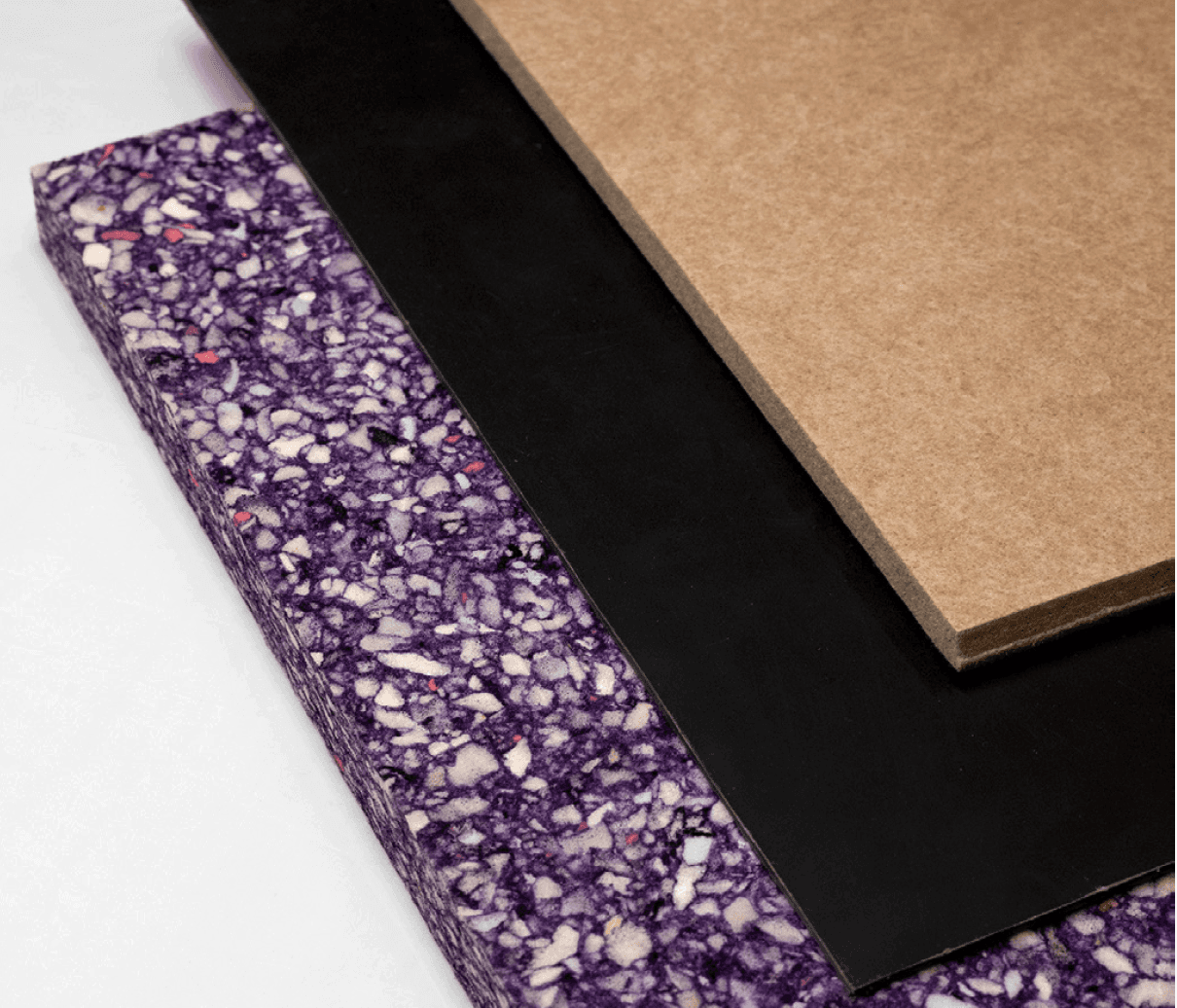
A floating floor is a key element in effectively protecting against impact sounds. When designing its structure, we analyze the thickness and stiffness of the layers, select flexible materials with appropriate dynamic stiffness, and indicate installation details that eliminate acoustic bridges.

For objects exposed to vibrations, we also design vibration isolation systems for structures, including vibration damping of ceilings, floors, machines, and technical installations. This way, we minimize the transmission of structural noise, which is one of the most difficult phenomena to eliminate in building acoustics.

Installation Guidelines – Guarantee of Project Effectiveness

For every acoustic insulation project, we provide detailed installation guidelines that ensure proper execution of the work and adherence to the defined insulation parameters. The documentation includes:

  • recommendations for the construction of floating floors (edge insulation, expansion joints, elastic layers),

  • guidelines for the installation of walls, doors, and glazing,

  • recommendations regarding the installation of electrical, ventilation, and telecommunication systems,

  • tips for installing speakers, sports ladders, and other structural elements,

  • principles of vibration isolation for devices and ventilation ducts.

This way, the investor or contractor receives not only an acoustic design but also a practical set of instructions that helps to avoid installation errors that reduce the effectiveness of the insulation.

Analysis and Measurements – The Basis of an Effective Project

Each project is preceded by a detailed acoustic analysis in which we use:

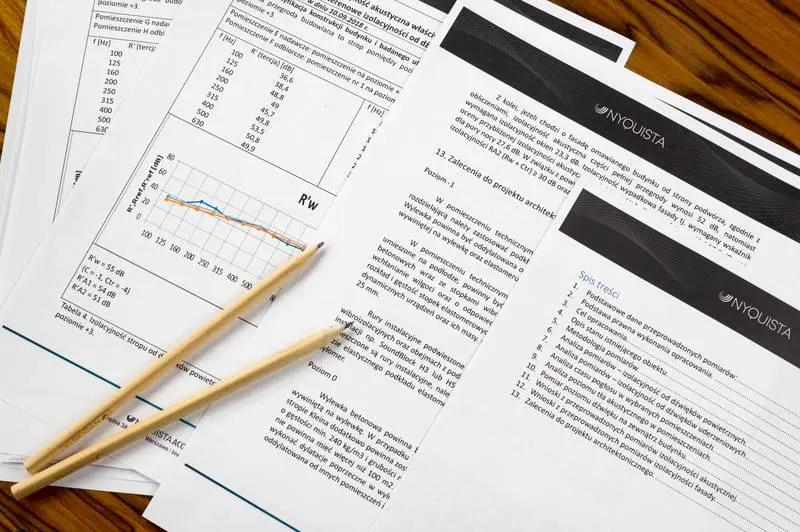
  • field and laboratory measurements – determining the actual insulation parameters and acoustic background,

  • computer simulations – modeling sound behavior in the building structure,

  • acoustic calculations – based on applicable standard methods.

The analysis also includes an assessment of lateral sound transmission between partitions. This allows us to identify cases where improving the insulation of one partition (e.g., ceiling) can be achieved by applying additional materials to the walls or changing the construction detail. This comprehensive approach allows for the design of a layout with the highest acoustic efficiency at optimal implementation costs.

Why is this important?

Poorly designed or constructed acoustic insulation is one of the most common reasons for dissatisfaction among users of residential, office, and industrial buildings. Sounds penetrating through partitions or installations can cause discomfort, reduce work efficiency, and disrupt concentration.

Precise design based on measurements, simulations, and analysis of lateral transmission phenomena helps to avoid this. As a result, our clients receive not only technical documentation but a complete action plan that guarantees a real effect – silence, comfort, and predictable acoustic behavior of the space.


We combine knowledge, experience, and measurements to create solutions tailored to the object and its function.


Talk to our expert

Michał Dajniak

Acoustic department specialist

Acoustic engineer specializing in interior acoustics and acoustic and vibration testing. Graduate of the Faculty of Physics in Minsk. Professional interests focus on computational methods in acoustics and building mechanics as well as 3D graphics. Practical experience in conducting acoustic measurements, digital signal processing, and designing microcontroller-based tools. Personally, I am passionate about musical harmony and singing.

Talk to our expert

Michał Dajniak

Acoustic department specialist

Acoustic engineer specializing in interior acoustics and acoustic and vibration testing. Graduate of the Faculty of Physics in Minsk. Professional interests focus on computational methods in acoustics and building mechanics as well as 3D graphics. Practical experience in conducting acoustic measurements, digital signal processing, and designing microcontroller-based tools. Personally, I am passionate about musical harmony and singing.

Talk to our expert

Michał Dajniak

Acoustic department specialist

Acoustic engineer specializing in interior acoustics and acoustic and vibration testing. Graduate of the Faculty of Physics in Minsk. Professional interests focus on computational methods in acoustics and building mechanics as well as 3D graphics. Practical experience in conducting acoustic measurements, digital signal processing, and designing microcontroller-based tools. Personally, I am passionate about musical harmony and singing.

Follow us on Instagram